Read the trend instead of chasing one number
Two days can display the same pressure value while representing very different situations. A slow decline during stable weather is different from a rapid fall ahead of a strong front. Wake and Lake emphasizes trend and rate of change so the number retains its weather context.
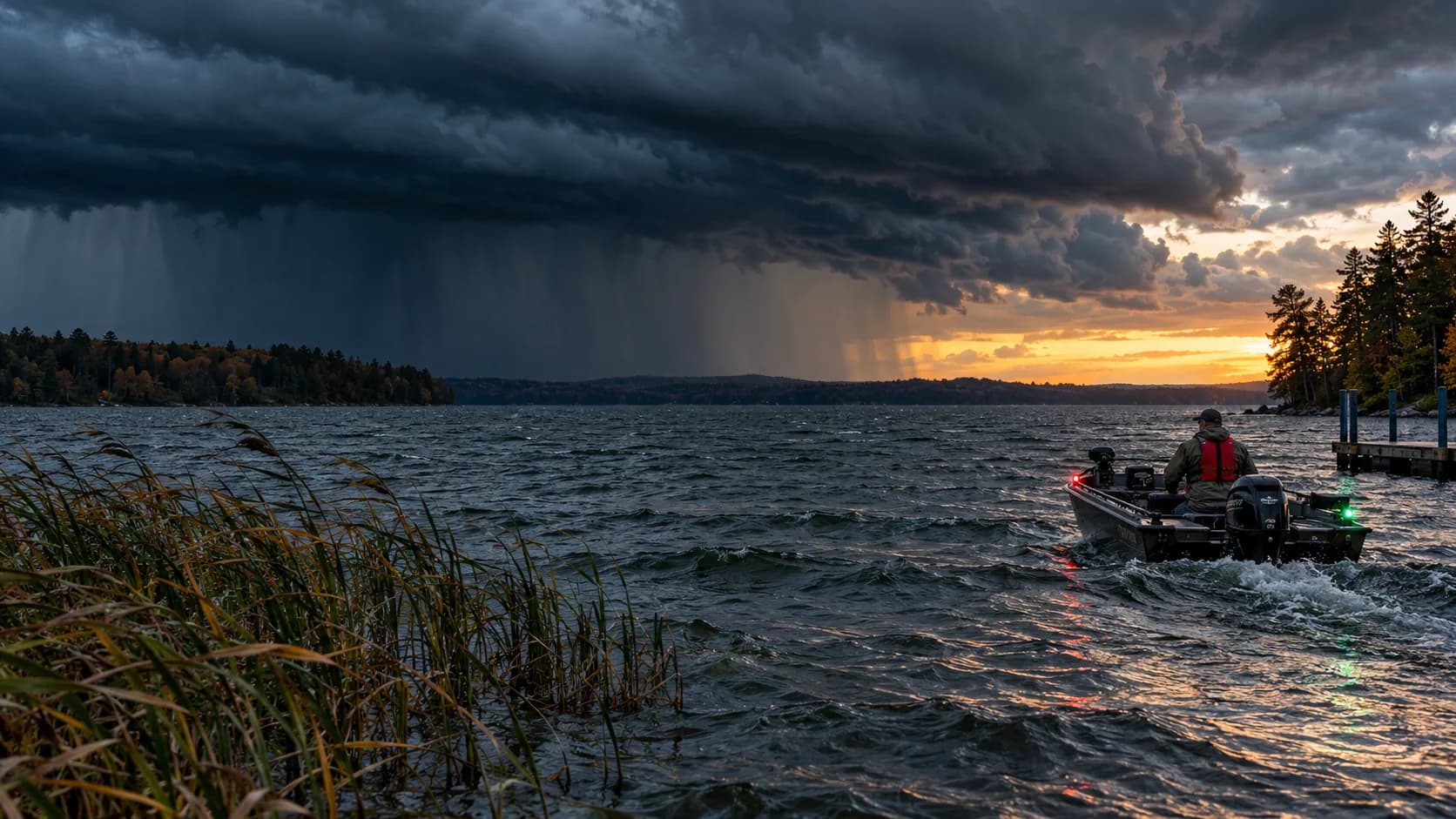
A falling barometer may coincide with changing light, wind, cloud cover, and temperature. Those conditions can alter where fish hold and how safely an angler can reach them.
Turn the pressure graph into a trip decision
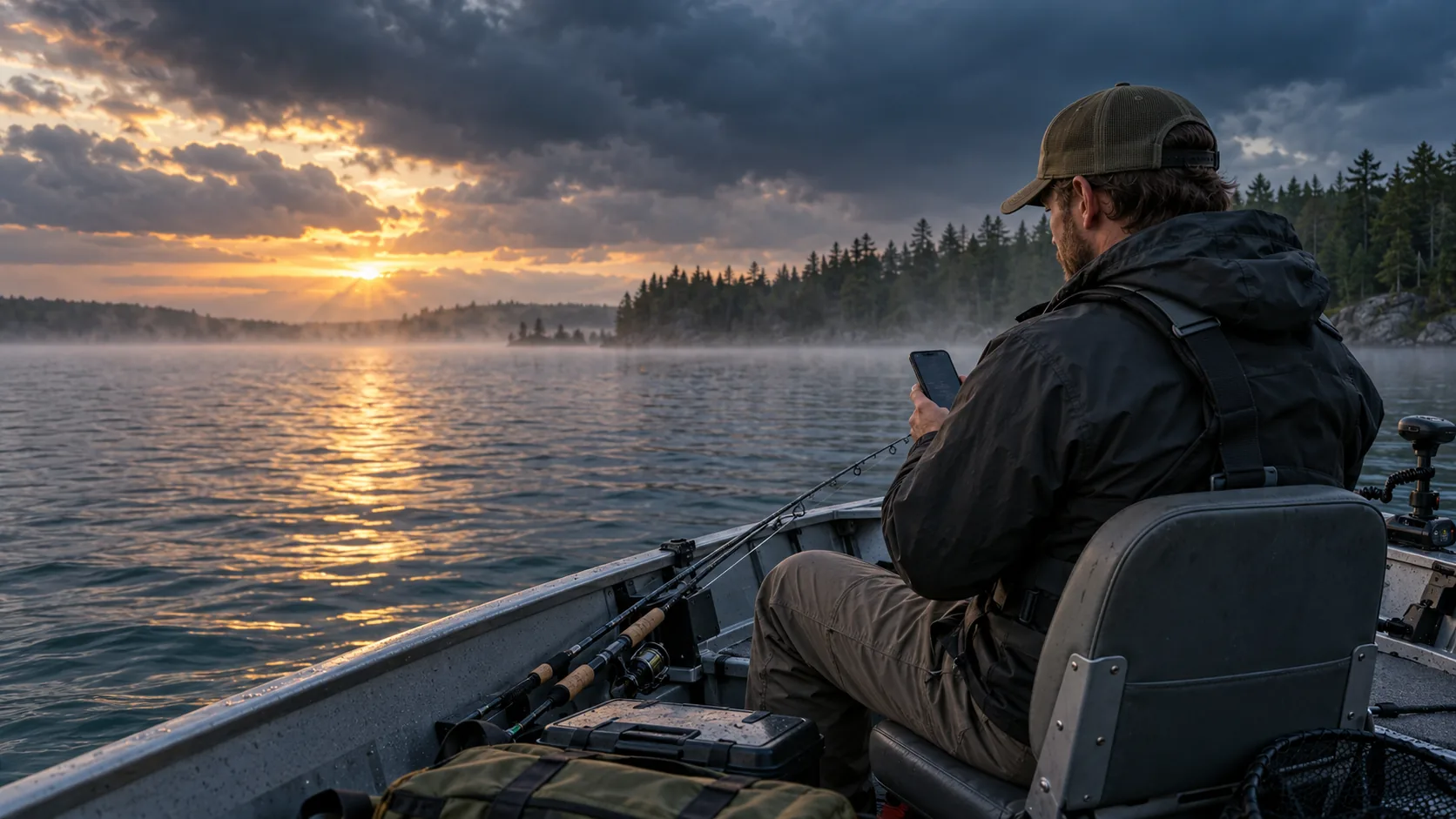
Compare the pressure graph with the hourly wind and weather forecast. Select the target species, inspect the forecast explanation, and choose a safe window rather than assuming every decline produces the same response.
After the trip, save catches and conditions in the private log. Your own history can reveal whether certain pressure patterns consistently matter on the waters and species you fish.
- Direction and rate of pressure change
- Expected front arrival and precipitation
- Wind speed, direction, and safe access
- Target species and seasonal behavior
- Your historical catches under similar conditions